Food noise was the business model

I'll start with a confession. I am the impulse bay's ideal customer. Twenty-odd years of Saturday shops, and I've never once walked past the snacks at the checkout without a small internal negotiation with the monkey-brain. Sometimes I win. Usually the monkey wins. So I noticed when a friend of mine stopped negotiating. He's been on GLP-1s since autumn, and last Saturday in the checkout queue he walked past the bay the way you'd walk past a parking meter. It was sensational: a highlight reel moment for the disciplined elite. Not a flicker of vulnerability in sight. I asked him about it in the car park. He thought for a second and said the chocolate tastes exactly the same. It just doesn't appeal to him anymore.
I've worked on brands that live in that bay. I've written briefs that, if I'm honest, were briefs for that moment. We never described it that way. We talked about occasions, need states, unplanned purchases. Strip the deck language away and the job was simple: be the thing a tired person reaches for, in the seconds before the card goes in.
Look at the bay properly and it's a beautiful piece of engineering - a mini masterpiece. Twirls at a child's eye level. Mints within reach of a hand already primed to pay. The two-for deal on chocolate bars nobody came in for. Every centimetre of it was negotiated for by behavioural scientists up and down the globe, paid for and tested a thousand times over. It exists to catch you in the forty seconds after admin accomplishment: a successful shop ticked off, when your guard is down and the queue isn't moving.
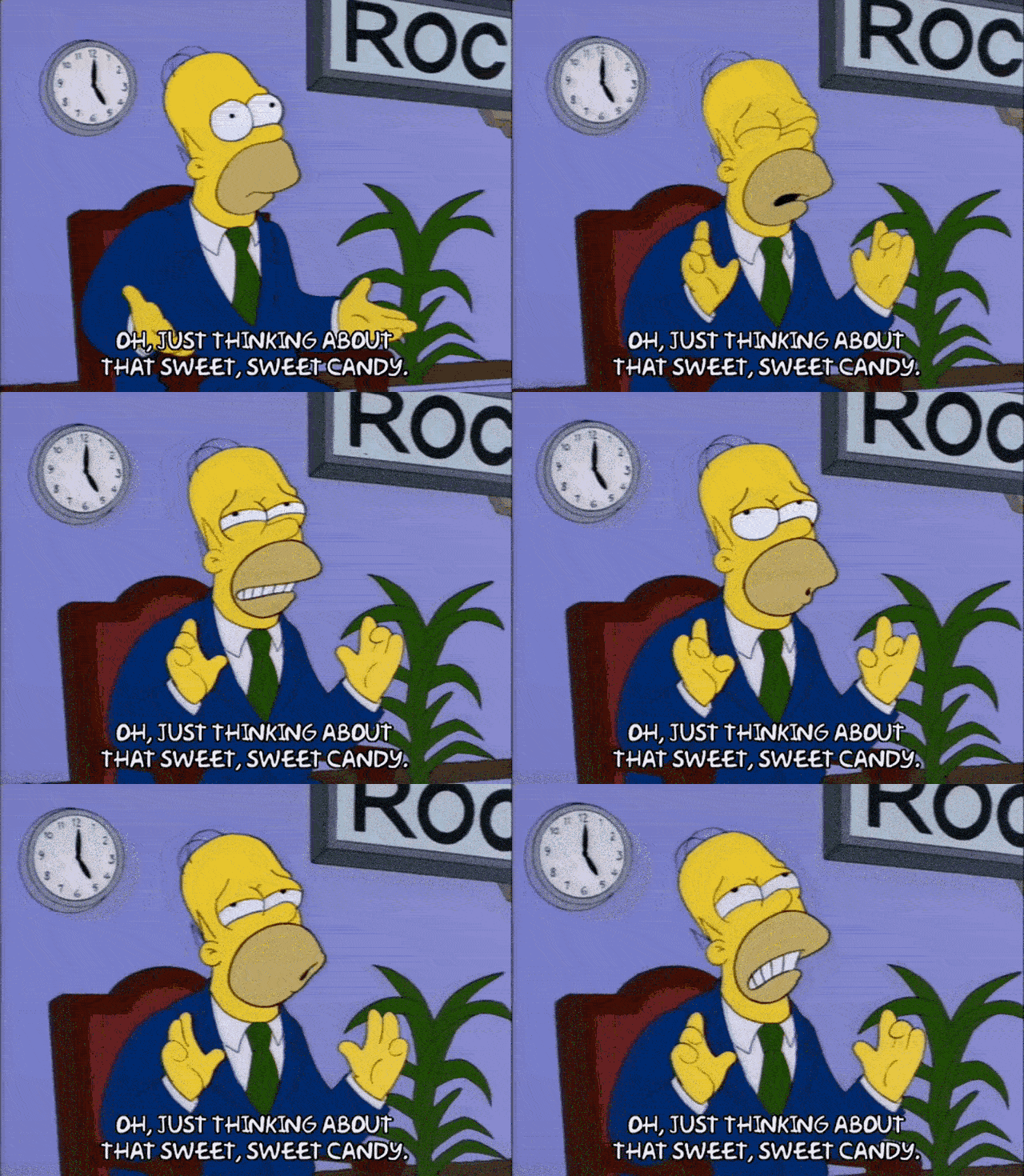
People on GLP-1s have a name for that hum now. They call it food noise. It might be the most important new phrase in our industry, and not one of us coined it. Once you name the noise, you start noticing who's been broadcasting it. For a lot of FMCG, the answer is us.
It's worth remembering this isn't human nature. Spend a week in Rome and count the people eating while they walk; you won't need many fingers. Plenty of food cultures eat at the table, at set times, and treat the all-day graze as faintly ridiculous. The constant nibble is a habit. And habits have authors.
My gut said this was an American story that would wash up here in five years. So I went looking for the numbers, expecting to be proved right. I wasn't, quite.
Around half a million Australians already use GLP-1 medicines regularly, according to UNSW research published in July. That surprised me. The next line stopped me: almost half of them pay between $200 and $700 out of pocket, because they aren't using the drugs for diabetes and the PBS won't cover them. These aren't early adopters dabbling. They're people choosing to spend dramatically more than their phone bill, every month, to turn the volume down.
The American figures show where the curve goes. About 18 per cent of US adults are now on a GLP-1, up from roughly 14 per cent a year earlier, according to FTI Consulting. PwC tracked their spending: six to eight months in, GLP-1 households spend 8.7 per cent less on fast food, and pizza drops by more than a fifth.
So my gut was right about the direction and wrong about the timing. It isn't coming. It's here, just quieter, because it's happening in private, one prescription at a time.
What the numbers can't tell me is how any of it feels. For that you have to ask people, and listen.
And this is the part I can't resolve neatly.
I believe appetite is one of the best things about being alive. The monkey winning isn't a moral failure. A kid getting a Freddo at the checkout because it's been a long week is a small, real joy, and I'll defend it against any wellness influencer you like. A world where nobody wants anything they didn't plan to want sounds efficient. It also sounds a bit grey.
But that's easy for me to say. For plenty of people the noise isn't a cheeky Freddo. It's a negotiation that never ends: every few hours, every day, for years, often lost in public. Talk to people on these drugs and the word that keeps coming up isn't thin, or perfect. It's relief. Being left alone by their own appetite. I can't sneer at that, and neither should anyone else.
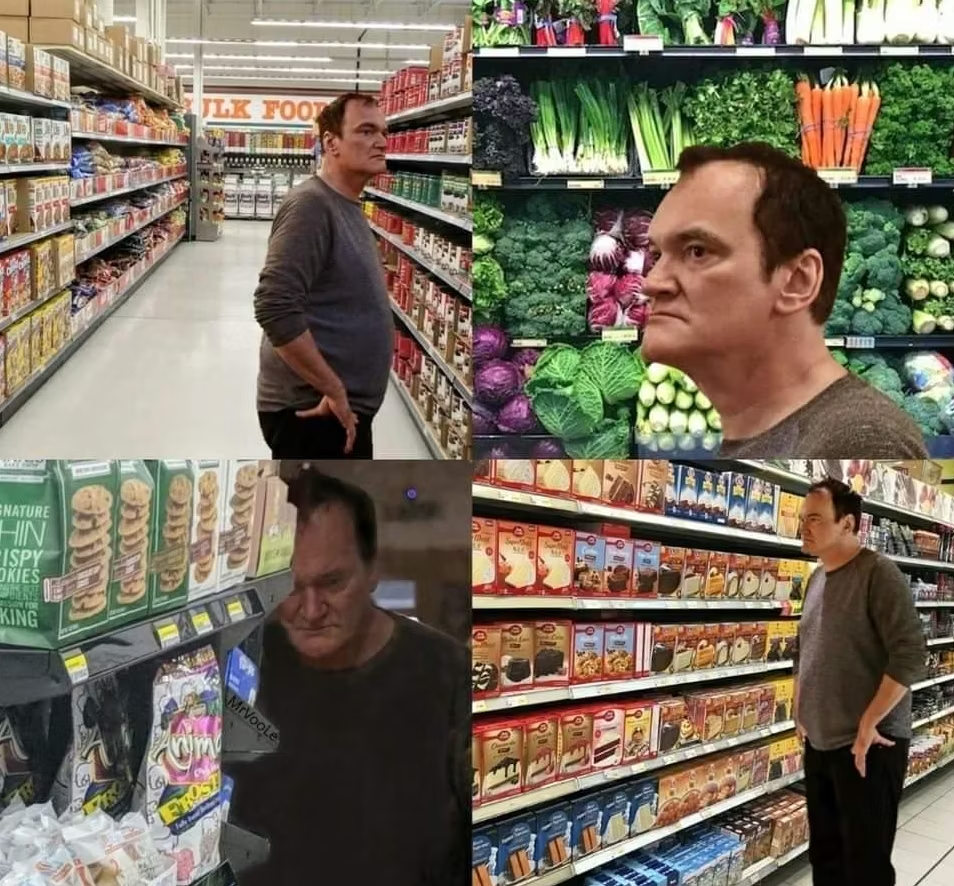
The drugs are doing something more interesting than shrinking waistlines. They're sorting our wanting into two piles: the things we actually want, and the things we were nagged into. My mate still eats chocolate. He eats the good stuff, sitting down, when he decides to. The rest, it turns out, was never his idea.
If I were standing in front of a room of brand managers, I wouldn't tell them to panic. Panic is how a team concedes twice in five minutes. I'd tell them to work out which pile they're in.
If people genuinely want your product, act like it. Make it worth sitting down for. The early movers in the US are already going smaller and better, with portion-controlled packs and premium minis, because a quieter appetite still wants pleasure. It just wants less of it, and it wants it to be good. Give people a ritual and a reason they'd choose on purpose.
If your brand lives in the other pile, the one that only exists because the bay put it there, be honest about that now, while the volume still looks fine. Noise-driven volume doesn't decline politely. It goes when the listener stops listening.
The fair objection is that Australia isn't America. Without PBS support for weight loss, cost is a hard ceiling, and plenty of people stop. True. But the phrase is travelling faster than the drug. People who've never seen a prescription now talk about their food noise, and once they hear it, they hear who's making it.
Last Saturday, standing behind my mate in the queue, I bought a Freddo. The monkey won, as usual. I enjoyed every bit of it, and I chose it.
That's the whole game now. One way or another, shoppers are getting quieter. The brands that last won't be the loudest ones in the bay. They'll be the ones still worth wanting once the noise stops.

Brand Strategist